How Much Water Should You Drink a Day? A Trainer's Honest Answer
Most adults should aim for around 100 oz of water a day. An Allison Park trainer breaks down why hydration matters and easy tactics to actually drink enough.
We push through low energy with caffeine, treat the headaches with ibuprofen, and chalk up the brain fog to a bad night's sleep. Most of the time, the real culprit is something far simpler — you're just not drinking enough water. If you've been wondering how much water you should drink a day, the short answer is: a lot more than you probably are.
Why Water Is Non-Negotiable for Your Body
Water isn't a wellness trend. It's the closest thing your body has to a non-negotiable daily input.
4
days the average person can survive without water
Source: National Institutes of Health
For comparison, a person can survive up to 70 days without food. That gap — 4 days versus 70 — is the cleanest evidence you'll get that water is the most essential thing you can give your body.
Here's what water is doing for you every single day:
- Regulating your body temperature
- Moistening tissues in your eyes, nose, and mouth
- Protecting your organs and surrounding tissue
- Carrying nutrients and oxygen to your cells
- Lubricating your joints
- Supporting your kidneys
- Helping dissolve the minerals and nutrients your body needs
Every one of those processes slows down when you're under-hydrated. You don't notice it as one big crash — you notice it as a hundred small "off" feelings you can't quite explain.
What Happens When You Don't Drink Enough
This is where it gets uncomfortable, because the symptoms of chronic under-hydration look exactly like the things most people complain about every day.
100
oz of water per day is a solid target for most adults
Source: General hydration guidance
If you're consistently below that, here's what your body is dealing with:
- Low energy
- Overeating (your brain confuses thirst for hunger)
- Increased stroke risk
- Mental fog
- Headaches
- Weight gain
- Constipation
- Cramps
- And in extreme cases — death
That last one isn't dramatic. It's just the truth. You can't survive long without water, so chronic under-hydration is your body running on a degraded version of itself every single day.
How to Actually Drink More Water (Without Hating It)
Here's the good news: staying hydrated is genuinely EASY. It's just a habit problem, not a willpower problem. These are the tactics I give clients at our Allison Park studio when hydration is clearly tanking their energy and progress.
Set an Hourly Reminder
Set an alarm on your phone to go off every hour. When it does, drink 10 oz. That's it. Ten reminders a day = 100 oz, no thinking required. Bonus points: pair the reminder with a 10-minute walk and get two birds stoned at once.
There are also "Water Drink Reminder" apps built specifically for this if you want something more dialed in than a phone alarm.
Keep a Bottle on Your Desk
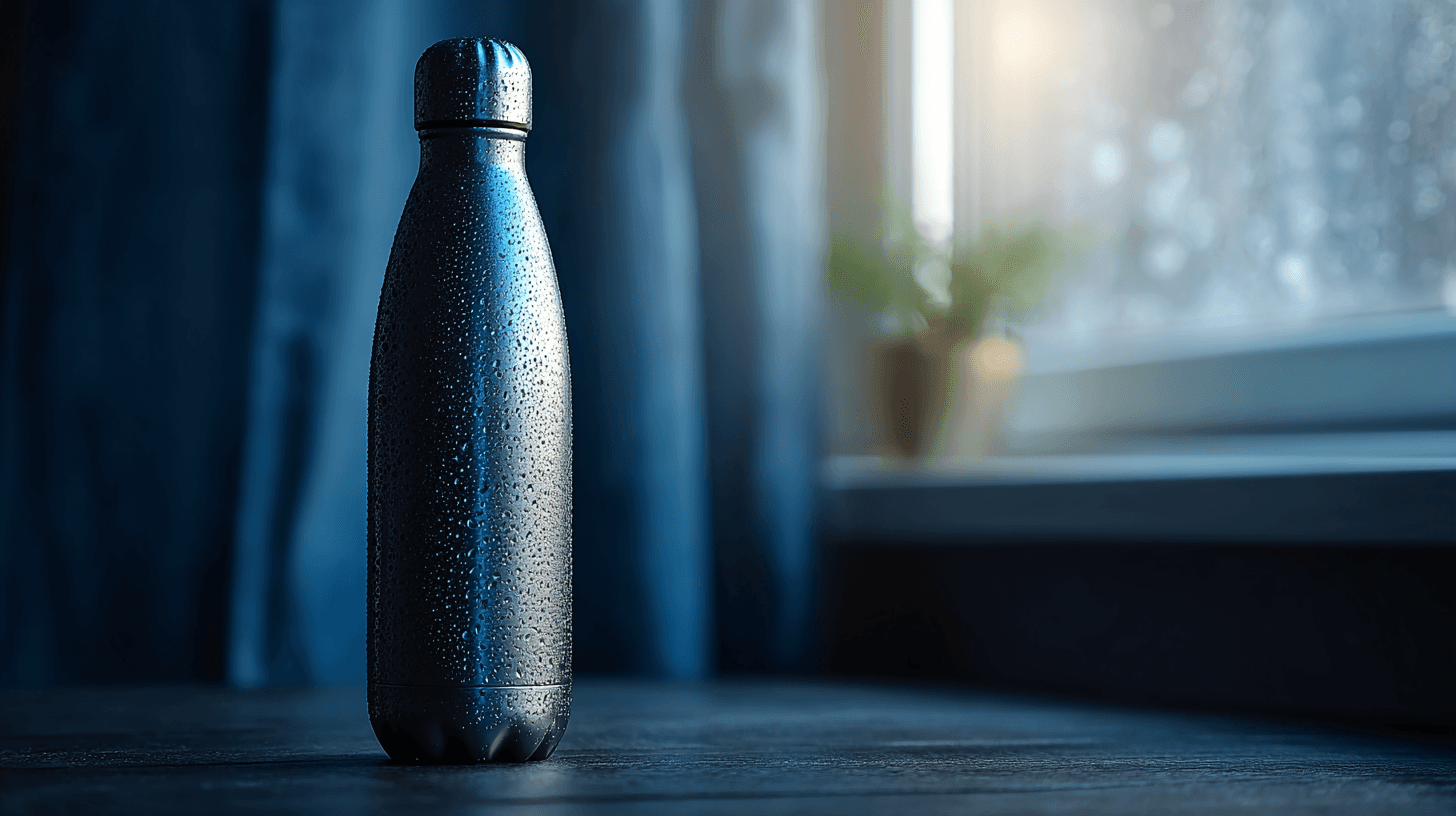
If the water is in front of you, you'll drink it. If it's in the kitchen, you won't. Fill a bottle in the morning and keep it where you spend your day. A Yeti or other insulated bottle keeps it cold for hours, which makes a real difference for people who don't love drinking room-temp water.
Stop Confusing Thirst for Hunger
This one's worth repeating because it's the single biggest hidden cost of dehydration: you're eating when you should be drinking. The next time you feel snacky between meals, drink a full glass of water and wait 10 minutes. Most of the time, the hunger disappears. That alone is worth a meaningful drop in daily calorie intake for most people.
Hydration is one of the first things we audit when a client's energy, weight loss, or workouts plateau. If you've tried "drinking more water" before and it never sticks, working with someone who builds it into a real routine is the difference.
Use Visual Cues
Sticky note on your monitor. Bottle on your nightstand. Glass next to the coffee maker so you drink one before you make coffee. The point is to make hydration the default, not something you have to remember.
Front-Load Your Day
The hardest time to catch up on water is at night, when you're tired and don't want to wake up at 3 AM to pee. Drink the bulk of your water before 6 PM. Get 50–60 oz in by lunch and the rest of the day is easy.
Don't Like Water? Tough.
Cody's words, not mine — but he's right. Life is full of requirements you don't love. Drinking water is one of the easier ones. If plain water doesn't do it for you, add lemon, cucumber, or a splash of unsweetened seltzer. Just DRINK UP.
The Bottom Line: Hydration Is the Foundation
That's it. Literally just drink more.
The more willing you are to make small changes that prioritize your well-being, the better you'll be at taking care of everyone around you. Hydration is one of the lowest-effort, highest-return changes you can make. You don't need a new diet, a new workout program, or a supplement stack — you need a water bottle and a reminder.
If you're in the North Hills Pittsburgh area and you've been stuck in that low-energy, foggy-headed, can't-quite-figure-out-why-things-feel-off place, this is one of the first things to check. Drink your 100 oz for two weeks and see what changes. Your well-being is important. It is time to start prioritizing it, FOR LIFE.
Frequently Asked Questions
How much water should I drink a day to lose weight?
Aim for around 100 oz per day. Drinking water before meals helps you feel full sooner, prevents overeating from confused thirst-hunger signals, and supports the metabolic processes that burn fat. There's no magic number, but most people who increase their intake to 100 oz see better appetite control within a couple of weeks.
What are the signs you're not drinking enough water?
The most common signs are low energy, headaches, mental fog, dry mouth, dark yellow urine, and constant snacking when you're not actually hungry. Cramps and constipation often follow. By the time you feel thirsty, you're already mildly dehydrated.
Does coffee count toward water intake?
Yes, partially. Coffee is hydrating despite its diuretic reputation, but it shouldn't be your primary source. Count about 50 to 75 percent of your coffee toward your daily total, and make up the rest with plain water.
Can drinking water actually reduce hunger?
Yes. Your body's thirst and hunger signals come from the same region of the brain and are easy to confuse. If you feel hungry within 10 minutes of finishing a meal, drink a glass of water first. Most of the time, that 'hunger' was actually thirst.
Is 100 oz of water a day too much?
For most healthy adults, no. Recommendations vary by source, body size, and activity level, but 100 oz is a solid target that most people fall well short of. If you have kidney issues or a medical condition affecting fluid balance, check with your doctor.
How long can a person survive without water?
About 4 days, compared to up to 70 days without food. That gap alone tells you how essential water is to your body's daily function.
Ready to train smarter?
Hydration is one piece of the bigger picture. If you're ready to put all the foundations in place — water, sleep, strength, mobility — and want someone in your corner who actually holds you accountable, book a complimentary session at our Allison Park studio. We'll build a plan that fits your life, not the other way around.

About the author
Cody Bock
Owner, Personal Trainer & Licensed Massage Therapist
M.S. Exercise Science · LMT (Licensed Massage Therapist)
Cody Bock is the founder of Full Circle Function & Fitness in Allison Park, PA. He combines a master's in exercise science with hands-on massage therapy expertise to help Pittsburgh's North Hills clients move better, train smarter, and recover faster.
Meet the teamRelated Reading
What to Eat Before a Morning Workout (Even If You're Not Hungry)
What to eat before a morning workout depends on your workout time. An Allison Park trainer breaks down early vs. mid-morning fueling and when to train fasted.
Read article