How Much Sleep Do Adults Need? A Personal Trainer's Honest Take
Adults need 7-9 hours of sleep, but most Americans get under 7. A personal trainer in Allison Park breaks down why that wrecks your health and how to fix it.
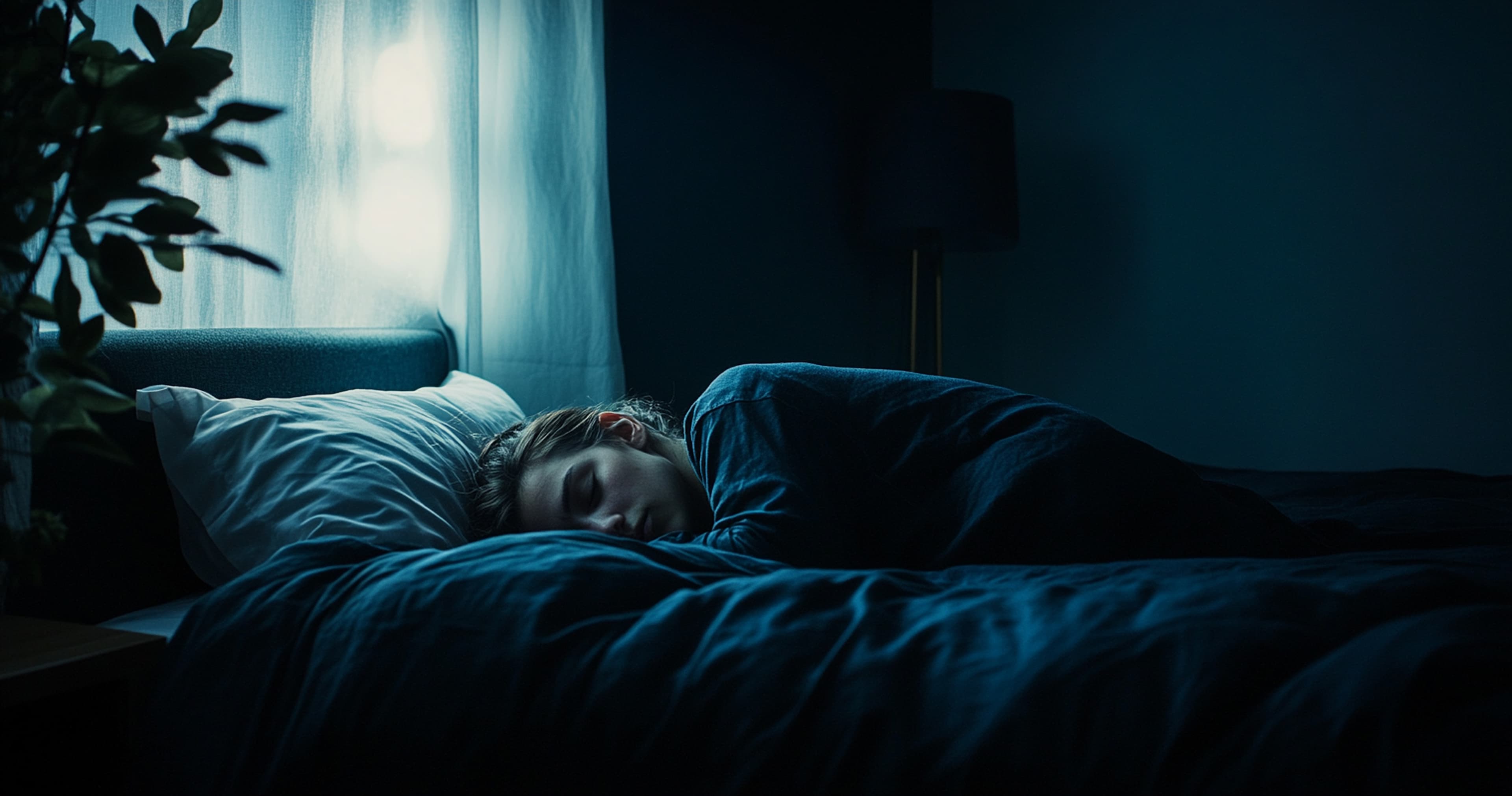
Most of us live our lives prioritizing other people's needs and happiness while pushing our own well-being to the back burner. It's time to change that. When you start prioritizing your own well-being, the well-being and quality of life of everyone around you tends to improve too. And there's no better place to start than sleep — because almost nobody is getting enough of it.
Why Chronic Sleep Deprivation Is Wrecking Your Health
Adults need 7 to 9 hours of sleep per night for optimal daily function. The average American sleeps under 7. That's chronic sleep deprivation, and it has consequences most people don't connect to their tiredness.
7-9
hours of sleep adults need per night
Source: National Sleep Foundation
When you're chronically sleep deprived, a few subtle things start happening. Arthritis. Depression. Heart disease. Weight gain — because you start overeating to give your body the energy it should have gotten from a real night's sleep. Those are just the physical impacts.
The mental side hits even faster. Crankiness. Lower cognitive function. Worse memory. Slower reaction time. A reduced ability to focus and pay attention. Have a job where important decisions matter? That decision-making ability is one of the first things to go when you're running on 5 hours.
Sleep plays a MAJOR role in our health, well-being, and happiness. It's not a luxury you earn after everything else is done — it's the foundation that makes everything else work.
How to Sleep Better: 6 Tactics That Actually Work
Like most things in life, making improvements takes some effort combined with the willingness to make a change. Here's what works — and these aren't theoretical, they're what I walk clients through every week.
1. Cut Screens 60 Minutes Before Bed
Try your best to avoid screens for 60 minutes before your desired bedtime. Good luck — I know that's a tough one for most people.
If you have to use your phone, turn on the blue light filter, grayscale, bedtime mode, good night mode, or whatever your device offers to make the lighting less harsh on your eyes. A Kindle or e-reader used only for reading doesn't count as a screen for these purposes.
2. Use the Sun as Your Guide
This pairs with cutting screens — as the sun starts going down, turn the screens off and pick up a book. Or just sit down and relax. Bonus points if you spend that time with your family in a way that doesn't involve a television.
Your body's sleep system was built around the sun. The closer your evenings match that pattern, the better your sleep quality will be.
3. Stop Eating 2 Hours Before Bed
Don't eat within 2 hours of going to bed. Active digestion makes it harder to fall asleep AND makes the sleep less restorative when you do.
Eating too close to bed can cause weight gain, indigestion, and heartburn. Here's the kicker: lack of sleep can also cause those same things. So if you eat late AND sleep poorly because of it, you're stacking the problems.
Most clients I work with at our Allison Park studio see the biggest changes when sleep, training, and eating habits get fixed together — not separately. If you're trying to clean up all three, a complimentary session is a good place to start.
4. No Caffeine 5 Hours Before Bed
Caffeine has a half-life of 5 to 7 hours. That means half of your 3 PM coffee is still circulating through your system at 8 PM.
5-7
hours half-life of caffeine in adults
Source: Sleep Foundation
If you go to bed at 10 PM, your last caffeine should be around 5 PM at the latest — and that's the late edge. Afternoon caffeine is the single biggest sleep saboteur I see in clients who think they have "trouble falling asleep."
5. Try a Magnesium Supplement
Magnesium is a necessary mineral for muscle relaxation, and about half of Americans are deficient — in both magnesium and vitamin D. A magnesium supplement before bed can help you fall asleep faster and stay asleep longer.
Magnesium glycinate is the form most commonly recommended for sleep. As always, talk to your doctor before starting any supplement, especially if you're on other medications.
6. Move Every Single Day
This one almost goes without saying, but I'll say it anyway: daily movement and exercise.
People who move their bodies regularly sleep better. Not because they're "tired" — because regular physical activity regulates your nervous system, your hormones, and your circadian rhythm. You don't need to crush it. You need to move consistently.
The Bottom Line: Sleep Is a Foundation, Not a Luxury
The more willing you are to make changes to prioritize your well-being, the better you'll be at taking care of everyone else around you. Your well-being is important. It's time to start treating it that way — for life.
If you're in the Allison Park or North Hills Pittsburgh area and you've been trying to fix your sleep, your training, and your nutrition all at once, sometimes the missing piece is having someone to walk you through it. Happy to help.
Frequently Asked Questions
How much sleep do adults really need?
Most adults need 7 to 9 hours of sleep per night for optimal physical and cognitive function. The average American gets fewer than 7, which puts most of the population in chronic sleep deprivation.
Can lack of sleep cause weight gain?
Yes. When you don't sleep enough, your body craves quick energy from food to compensate, which usually means overeating. Sleep deprivation also disrupts the hormones that regulate hunger and fullness, making it harder to maintain a healthy weight.
How long before bed should I stop using screens?
Aim for 60 minutes screen-free before bed. If you have to use a phone, turn on blue light filter, grayscale, or bedtime mode. A Kindle or e-reader used only for reading doesn't count as a screen for these purposes.
Is magnesium good for sleep?
Magnesium plays a major role in muscle relaxation and is often deficient in adults — about half of Americans don't get enough. A magnesium supplement before bed can help with both falling asleep and sleep quality.
How long before bed should I stop drinking caffeine?
Cut caffeine at least 5 hours before your desired bedtime. The half-life of caffeine is 5 to 7 hours, meaning half of your 3 PM coffee is still active in your system at 8 PM. Afternoon caffeine is the silent sleep killer for most people.
What happens if I sleep less than 7 hours every night?
Chronic sleep deprivation increases your risk of arthritis, depression, heart disease, and weight gain. Mentally, it lowers cognitive function, memory, reaction time, and your ability to focus — which matters in any job where decisions count.
Ready to train smarter?
Ready to stop running on empty? Book a complimentary session at Full Circle Function & Fitness in Allison Park and let's build a routine that actually fits your life — sleep, training, and recovery included.

About the author
Cody Bock
Owner, Personal Trainer & Licensed Massage Therapist
M.S. Exercise Science · LMT (Licensed Massage Therapist)
Cody Bock is the founder of Full Circle Function & Fitness in Allison Park, PA. He combines a master's in exercise science with hands-on massage therapy expertise to help Pittsburgh's North Hills clients move better, train smarter, and recover faster.
Meet the teamRelated Reading
How Often Should You Get a Massage? An LMT's Honest Answer
How often should you get a massage? It depends on your goal. An Allison Park massage therapist breaks down frequency for pain, injury, stress, and sport.
Read article