The Benefits of Play for Adults: Why You Need More of It (And How to Start)
Play isn't just for kids. A personal trainer in Allison Park breaks down why adult play reduces stress, boosts creativity, and keeps you feeling young.
Most of us spend our days prioritizing other people's needs and happiness while pushing our own well-being to the back burner. It's time to change that. When you start prioritizing your own well-being, the well-being, happiness, and quality of life of everyone around you tends to improve right along with you.
That goes for sleep. That goes for your mental health. And it goes for the one habit most adults completely forget about by the time they hit 30 — play.
"Play? I'm an Adult. I Don't Have Time."
You might be thinking — play? I have work, chores, kids, errands, and life. I barely have time to eat, let alone play.
You're wrong. And actually, every single thing you just listed is all the more reason to play.
Play isn't a luxury for people with empty schedules. It's a recovery tool for people whose schedules are jammed. The busier you are, the more important it is.
What Play Actually Does for Your Adult Brain
Play has different benefits at different ages. For babies and kids, it's necessary — it's how their brain develops, how their imagination grows, how their overall brain function comes online.
For adults, the benefits change but they don't go away.
Play Releases Endorphins
Remember what we covered in the mental health post? Endorphins are one of your body's best built-in stress regulators. Play triggers them the same way exercise does.
If you're managing anxiety, stress, or just feeling worn down — play is one of the most underrated tools in the toolbox.
Play Improves Brain Function and Creativity
Your brain is plastic. It keeps adapting and improving when you challenge it in new ways. Reading a novel, building a puzzle, learning a new sport, figuring out a new video game — all of these stimulate brain function that goes quiet when you're just grinding through your to-do list.
Creativity isn't a personality trait. It's a muscle. Play is how you train it.
Play Keeps You Feeling Young
When's the last time you actually ran around and giggled? Yes, giggled. Not laughed at a podcast. Giggled.
It feels good. It also keeps your body moving in ways that adult life rarely demands. People who play regularly tend to feel younger and more energetic — and honestly, who doesn't want that?
"OK, Play Sounds Great. But I Forgot How to Do It."
Here's the crazy part. For the first 15 to 18 years of your life, you played constantly — and you were great at it. Then somewhere around college, the working world, kids, and a mortgage, you just… stopped.
Society pushed most of us into a "work first, play never" mindset. I'd like to help break that.
The good news: there's no right way to play. It looks different for everyone. The gist is simple — do something you enjoy, for an extended period of time, just because you enjoy it. Even 30 minutes counts.
If a 5-year-old you would have lit up doing it, it counts.
A lot of clients at our Allison Park studio find that strength training scratches the play itch too — moving heavy weight, hitting a PR, learning a new lift. It's structured play for grown-ups. Your first personal training session is complimentary if you want to try it.
16 Ideas to Start Playing Again
Pick one. Start this week.
- Reading
- Hiking
- Squirt gun battle (yes, really)
- Puzzles
- Video games
- Gymnastics or tumbling
- Legos
- Lincoln Logs
- Foraging for mushrooms
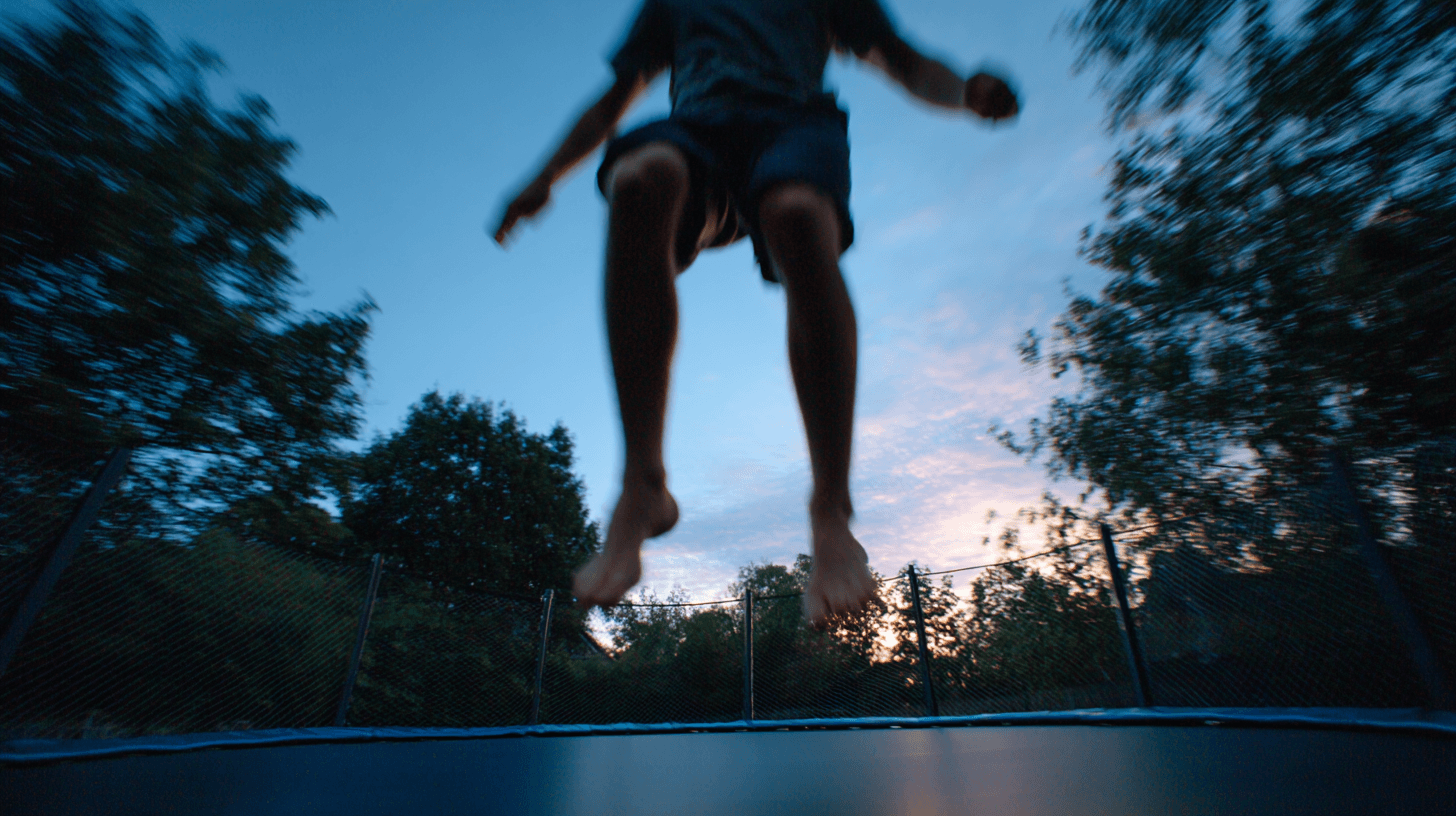
- Trampoline
- Swimming
- Golf
- Tennis
- Team sports (rec leagues, pickup basketball, etc.)
- Squash or pickleball
- Target shooting at a range
That list could go on forever. Cooking for fun, building furniture, gardening, fishing, board games with friends, dancing in your kitchen, learning a musical instrument, taking your kids out on a real adventure instead of supervising them on a screen. Whatever lights you up — that's play.
Make Time for It (Or You Won't Do It)
"I don't have time" is the most common reason adults skip play. It's also the weakest excuse. You make time to eat. You make time to scroll your phone. You can make time to play.
A few tactics that actually work:
- Schedule it. Block 30 minutes on your calendar like you would a meeting. Defend it.
- Pair it with your kids. Stop watching them play. Play with them. They want this more than you realize, and it counts for both of you.
- Replace one passive habit. Trade 30 minutes of TV or scrolling for 30 minutes of something active and enjoyable. You won't miss the TV.
- Start small. You don't need to commit to a weekly squash league. A 20-minute walk listening to a podcast you love is play.
The Bottom Line: Stop Reading. Go Play.
The more willing you are to make changes that prioritize your well-being, the better you'll be at taking care of everyone around you. Play sits right alongside sleep, movement, and mental health on that priority list. It's not a "when I have time" thing — it's a foundation.
If you're in Allison Park, the North Hills, or anywhere in the Pittsburgh area and you want help building the physical side of this — making movement itself something that feels like play — that's what we do at Full Circle. Happy to help.
Now stop reading. Go play.
Frequently Asked Questions
What counts as play for adults?
Play is anything you do purely because you enjoy it, for an extended period — even 30 minutes counts. Reading, hiking, sports, puzzles, video games, foraging, swimming, gardening, building Legos with your kids. There's no right way. If you're absorbed in it and not doing it to be productive, that's play.
Why is play important for adults?
Play releases endorphins, improves brain function, stimulates creativity, and helps regulate stress. It's one of the few habits that doubles as mental health support and recovery. Adults who play regularly tend to feel younger and more energetic — and research backs that up.
How much time should adults spend playing?
Even 30 minutes a day is enough to feel a difference. The point isn't the amount of time, it's the consistency. Stacking small pockets of play into your week beats trying to schedule a 4-hour block once a month that never actually happens.
Does scrolling on my phone count as play?
No. Passive screen time is consumption, not play. It floods your brain with stimulation without the active engagement, creativity, or physical involvement that real play provides. Phones can be part of play — playing a strategy game with friends, for example — but doom-scrolling Instagram isn't it.
How do I make time to play if I have kids, a job, and chores?
Use your kids as a forcing function — play with them instead of supervising them. Block 30 minutes after dinner for something you used to love. Stop treating play as "extra" and start treating it as recovery. You make time to eat. You make time for play the same way.
Is play the same as exercise?
They overlap but aren't the same. Many forms of play (hiking, swimming, team sports, trampoline) are also exercise — and those are the most powerful for both your body and brain. But play can also be quiet (puzzles, reading, Legos). Exercise that feels like play is the best of both worlds.
Ready to train smarter?
Want training that doesn't feel like a chore? Book a complimentary personal training session at Full Circle Function & Fitness in Allison Park — we'll build a program around the kinds of movement you actually enjoy.

About the author
Cody Bock
Owner, Personal Trainer & Licensed Massage Therapist
M.S. Exercise Science · LMT (Licensed Massage Therapist)
Cody Bock is the founder of Full Circle Function & Fitness in Allison Park, PA. He combines a master's in exercise science with hands-on massage therapy expertise to help Pittsburgh's North Hills clients move better, train smarter, and recover faster.
Meet the teamRelated Reading

How to Stay Consistent With Working Out (When Motivation Disappears)
Nobody stays motivated forever. An Allison Park trainer on why discipline, not motivation, keeps you training three days a week, and how to turn it into a habit.
Read article
The 7-Day Social Media Detox: Why You Need One and How to Do It
Americans spend 1,100 hours a year on social media. A personal trainer in Allison Park breaks down why it's wrecking your mood and lays out a 7-day detox challenge.
Read article
How to Stop Overconsuming: Less Stuff, Less Scrolling, More Life
Overconsumption fuels weight problems, anxiety, and bad sleep. A personal trainer in Allison Park breaks down 5 practical ways to consume less and live better.
Read article